
GUIDE
The Best Power Washer for Philippine Homes and Industries in 2026: A Complete Buyer's Guide
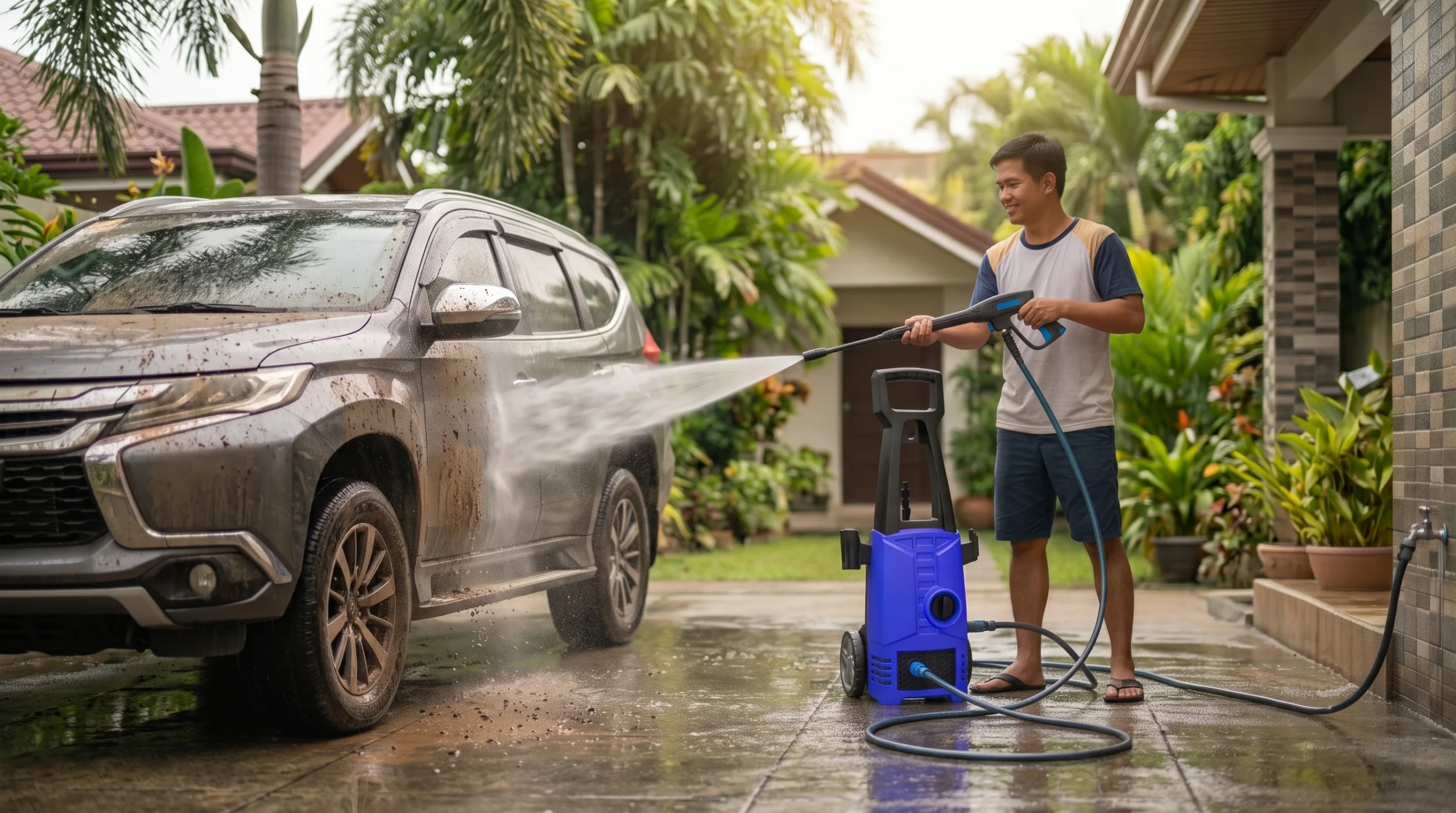
Manila’s humidity, Cebu’s salt air, and Davao’s construction dust all have one thing in common — they turn cleaning into a losing battle if you’re still relying on a garden hose and a stiff brush. That’s why “power washer” and “pressure washer” searches spike every year across the Philippines, especially heading into and out of the rainy season when mold, algae, and grime build up fastest on driveways, warehouse floors, and vehicle fleets.
This guide breaks down what a power washer actually does, what to look for before you buy, and why Jetmaster’s range — trusted since 1991 — remains the go-to choice for homeowners, facility managers, and industrial operators across Luzon, Visayas, and Mindanao.
What Is a Power Washer, and Why Filipino Buyers Need One
A power washer (also called a pressure washer or high-pressure cleaner) uses a motor-driven pump to force water through a narrow nozzle at high velocity. The result is a concentrated jet that strips away dirt, mold, salt residue, oil stains, and old paint far faster than manual scrubbing — while using significantly less water than a standard hose.
In the Philippines specifically, three conditions make power washers especially valuable:
- Year-round humidity and monsoon rains accelerate mold, moss, and algae growth on exterior walls, roofs, and pavements.
- Coastal salt exposure in port cities like Manila, Cebu, and Subic corrodes machinery, containers, and vehicle undercarriages if not regularly flushed.
- Active construction and agriculture sectors in Luzon and Mindanao generate heavy cement, paint, and soil residue that ordinary cleaning tools can’t touch.
Power Washer vs. Pressure Washer: Same Machine, Different Search
If you’ve noticed both terms used interchangeably online, that’s intentional — Google treats “power washer” and “pressure washer” as near-identical search intent, though “power washer” tends to trend higher among residential DIY buyers, while “pressure washer” and “high-pressure cleaner” dominate commercial and industrial searches. Either way, you’re looking at the same core technology: a pump, a motor, and pressure measured in bar or PSI.
Key Factors Before You Buy
1.Purpose and Pressure Rating
- Light residential jobs (cars, patios, garden furniture): 100–130 bar is sufficient.
- Medium commercial use (storefronts, small fleets, facades): 130–150 bar.
- Heavy industrial and marine use (ports, construction equipment, agricultural machinery): 500+ bar ultra-high-pressure units.
2.Flow Rate (Liters/Hour) A higher flow rate clears larger surfaces faster — important for warehouses, parking areas, and farm equipment where time is money.
3.Build Quality for Tropical Conditions Look for marine-grade components and corrosion-resistant coatings. Standard consumer units often degrade quickly under the Philippines’ heat and salt exposure; industrial-grade brands are built to withstand it.
4.Portability For maintenance teams that move between sites, lighter models with wheeled frames and manageable hose lengths (up to 8m) make a real difference in daily productivity.
5.Local Support and Parts Availability This is where many budget and imported brands fall short in the Philippines — accessory and spare parts supply can be inconsistent. Choosing a brand backed by an established regional distributor avoids costly downtime.
Where Jetmaster Fits In
Jetmaster’s range spans both ends of the market:
- Residential and light-commercial models (1.8–2.9 kW output) suited to homes, vehicles, and small businesses, with lightweight designs for easy handling.
- Ultra-high-pressure industrial units (500+ bar) designed for ports, construction sites, and agribusiness — built with corrosion-resistant materials to handle Manila’s coastal humidity and Mindanao’s farm environments.
Backed by Winston Engineering Corporation as the regional distributor, Jetmaster buyers in the Philippines get consistent access to parts, service, and technical support — a key differentiator from imported consumer brands that often struggle with after-sales availability locally.
Maintenance Tips for Tropical Climates
- Flush the unit with clean water after every use, especially near coastal or saltwater environments.
- Check and replace pump oil more frequently than manufacturer defaults suggest, since heat accelerates oil breakdown.
- Store units in shaded, covered areas to prevent UV and moisture damage to seals and hoses.
- Inspect nozzles regularly — mineral buildup from local water sources can reduce pressure efficiency over time.
Final Thoughts
Whether you’re maintaining a family driveway in Quezon City or managing fleet and facility cleaning for a port operation in Cebu, the right power washer saves time, water, and long-term maintenance costs. Match the pressure rating and build quality to your actual use case, and prioritize a brand with real local support — not just a low upfront price.
Explore Related Articles

Author Bio
Jetmaster

Jetmaster is a Singapore-based cleaning equipment brand established in 1991, specialising in high-pressure cleaning solutions for domestic, commercial and industrial applications.
With strong engineering capabilities and a focus on reliability, Jetmaster offers high-pressure washers, high-pressure pumps, vacuum cleaners and floor blowers for industries including marine, construction, automotive, manufacturing and agriculture.
Jetmaster is committed to delivering practical, efficient and reliable cleaning solutions backed by technical expertise and after-sales support.